Maximize Your Success This Busy Leasing Season with Proven Strategies
- dodie845
- Apr 21
- 4 min read
The leasing season is about to get busy, and with increased demand comes increased competition. Whether you are a property manager, leasing agent, or landlord, this period offers a prime opportunity to secure the best tenants and maximize occupancy. To stand out and succeed, you need more than just a listing—you need a clear plan and effective strategies. This post will guide you through practical steps to help you get the best results during this busy leasing season.
Understand Your Market and Audience
Knowing your market is the foundation of any successful leasing strategy. Start by researching local rental trends, average prices, and tenant preferences. This knowledge helps you set competitive rates and tailor your offerings.
Analyze comparable properties: Look at similar units in your area to understand pricing and features that attract tenants.
Identify tenant demographics: Are you targeting young professionals, families, or students? Each group has different needs and priorities.
Track seasonal demand: Some areas see spikes in demand during certain months; plan your marketing and leasing efforts accordingly.
By understanding your market, you can position your property to meet tenant expectations and avoid pricing yourself out of the market.
Prepare Your Property for Leasing
First impressions matter. A well-maintained, clean, and attractive property draws more interest and can justify higher rent.
Perform necessary repairs: Fix leaks, broken appliances, or damaged flooring before listing.
Enhance curb appeal: Simple landscaping, fresh paint, and clean entryways make a big difference.
Stage the space: Consider minimal furniture or decor to help tenants visualize living there.
Highlight unique features: If your property has amenities like a balcony, parking, or updated kitchen, make sure these are showcased.
A property that looks cared for signals to tenants that they will be valued residents.
Craft Clear and Compelling Listings
Your listing is your first point of contact with potential tenants. It should be clear, honest, and highlight the best aspects of your property.
Use high-quality photos: Bright, well-composed images attract more views.
Write detailed descriptions: Include square footage, number of bedrooms and bathrooms, nearby amenities, and any special features.
Be transparent about terms: State lease length, pet policies, and any fees upfront.
Include contact information: Make it easy for interested parties to reach you.
A strong listing reduces unnecessary inquiries and attracts tenants who are a good fit.
Use Multiple Channels to Reach Tenants
Relying on one platform limits your reach. Use a mix of online and offline channels to maximize exposure.
Online rental platforms: Post on popular sites where renters search daily.
Social media groups: Local community groups can be effective for word-of-mouth.
Email newsletters: If you have a database of previous inquiries or tenants, keep them informed about availability.
Local bulletin boards: Libraries, cafes, and community centers often have space for rental ads.
Open houses and tours: Schedule regular showings to allow tenants to experience the property firsthand.
Diversifying your outreach increases the chances of finding the right tenant quickly.
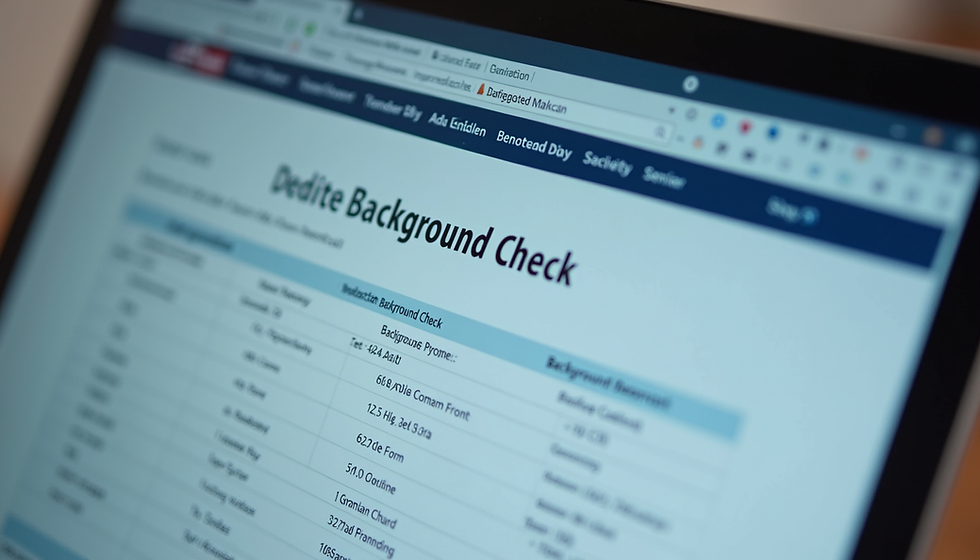
Screen Tenants Thoroughly
A busy leasing season means many applicants, but quality matters more than quantity. Protect your property and community by screening tenants carefully.
Check credit reports: Look for consistent payment history.
Verify income: Ensure tenants can afford the rent.
Contact references: Previous landlords can provide insight into tenant behavior.
Conduct interviews: A brief conversation can reveal important details and set expectations.
A thorough screening process reduces the risk of late payments, property damage, and turnover.
Streamline the Application and Lease Process
Speed and clarity in processing applications can make the difference between securing a tenant or losing them to a competitor.
Use digital applications: Online forms save time and reduce errors.
Communicate clearly: Keep applicants informed about their status and next steps.
Prepare lease documents in advance: Have standard leases ready to sign once approval is granted.
Be flexible with move-in dates: Accommodate tenant needs when possible to close deals faster.
A smooth process builds trust and encourages tenants to commit quickly.
Maintain Strong Tenant Relationships
Once you have secured tenants, maintaining good relationships encourages lease renewals and positive referrals.
Respond promptly to maintenance requests: Address issues quickly to keep tenants satisfied.
Communicate regularly: Share updates about the property or community.
Offer incentives for renewals: Discounts or upgrades can motivate tenants to stay longer.
Create a welcoming community: Organize events or provide shared amenities to enhance tenant experience.
Happy tenants are more likely to stay and recommend your property to others.
Monitor Performance and Adjust Strategies
Track your leasing efforts to understand what works and what needs improvement.
Measure inquiry-to-lease conversion rates: Identify bottlenecks in your process.
Collect tenant feedback: Use surveys to learn about their experience.
Analyze marketing channel effectiveness: Focus on platforms that bring the best leads.
Adjust pricing and terms if needed: Stay competitive based on market changes.
Regular review helps you stay ahead and make informed decisions.


Comments